Making Our Kids Healthy
No mother or parent would want to see their beautiful child/children suffer from asthma, allergies, eczema, diabetes, an autoimmune disease or worse get a diagnosis of cancer.
More and more Kiwi kids are being diagnosed with illnesses and conditions that were considered rare just a few decades ago?
- The first question we should be asking is why?
- The second question is what are we going to do about it?
While we are very fortunate to have hospitals such as ‘Starship’ in Auckland and highly skilled doctors and nurses to look after our children when they are unwell, we should be looking a lot more closely at what we can do to avoid the need for hospital care.
To make our kids healthy there is a lot we need to be thinking about:
1. Nutrition & Eating Habits
- Kids need nutritious meals (not empty calories) with fruits, vegetables, whole grains, protein, and healthy fats.
- We must significantly reduce consumption of added sugars and ultra-processed foods.
- Regular mealtimes should be the norm and ideally with the family sitting together.
- Good eating habits can be learned, and we need to remember that kids imitate adults.
2. Physical Activity
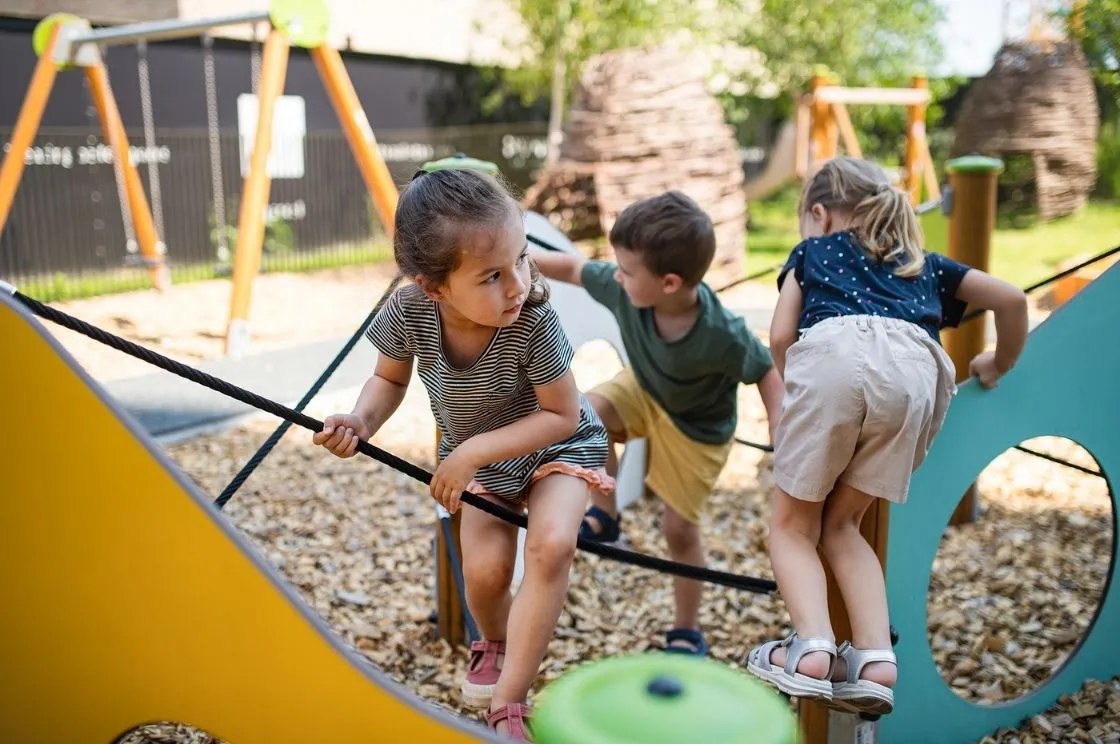
- Children benefit from at least an hour of movement daily, but any increase helps.
- We should actively encourage outdoor play, sports, biking, dance, or active games.
- Sedentary time can be reduced by adding movement breaks throughout the day.
- Physical activity must be fun rather than a chore.
3. Sleep & Daily Routines
- Kids need consistent, early bedtimes and predictable routines.
- Screens should be removed from bedrooms to support quality sleep.
- Calming bedtime habits can be introduced and become the norm (reading, dim lights, no sugary snacks before bed).
- Stable routines help regulate mood, energy, and overall health.
4. Emotional & Mental Health
- There should be open communication in the home with attentive listening to build trust and emotional resilience.
- We should encourage our kids to talk about feelings without judgment.
- Kids need downtime with rest and unstructured play to decompress.
- It’s very important to foster a sense of safety and stability at home.
5. Social Connection
- Healthy relationships with family and peers support mental and physical well-being.
- Shared meals and family activities strengthen bonds.
- Parents should teach empathy, cooperation, and positive conflict resolution.
6. Screen Time & Technology Use
- It’s very important to set healthy boundaries for phones, tablets, games, and TV.
- Parents should encourage offline hobbies and creative play and replace some screen time with movement, reading, or hands-on activities.
7. Environment & Lifestyle
- There should be a home culture where healthy choices are easy and expected.
- Nutritious foods must be visible and accessible.
- Kids need safe spaces for play and exploration.
- The household should be a calm, organized environment when possible.
8. Education & Self-Understanding
- We must teach our kids why health matters and what it means to be healthy.
- Kids should learn how food, sleep, and movement affect their bodies and mood.
- Progress is a more achievable goal than perfection.
9. Role Modelling
- Parents be aware, your kids learn more from what adults do than what they say.
- Messages must always be consistent and be constructive.
- Show your kids what self-kindness is and healthy coping strategies are.