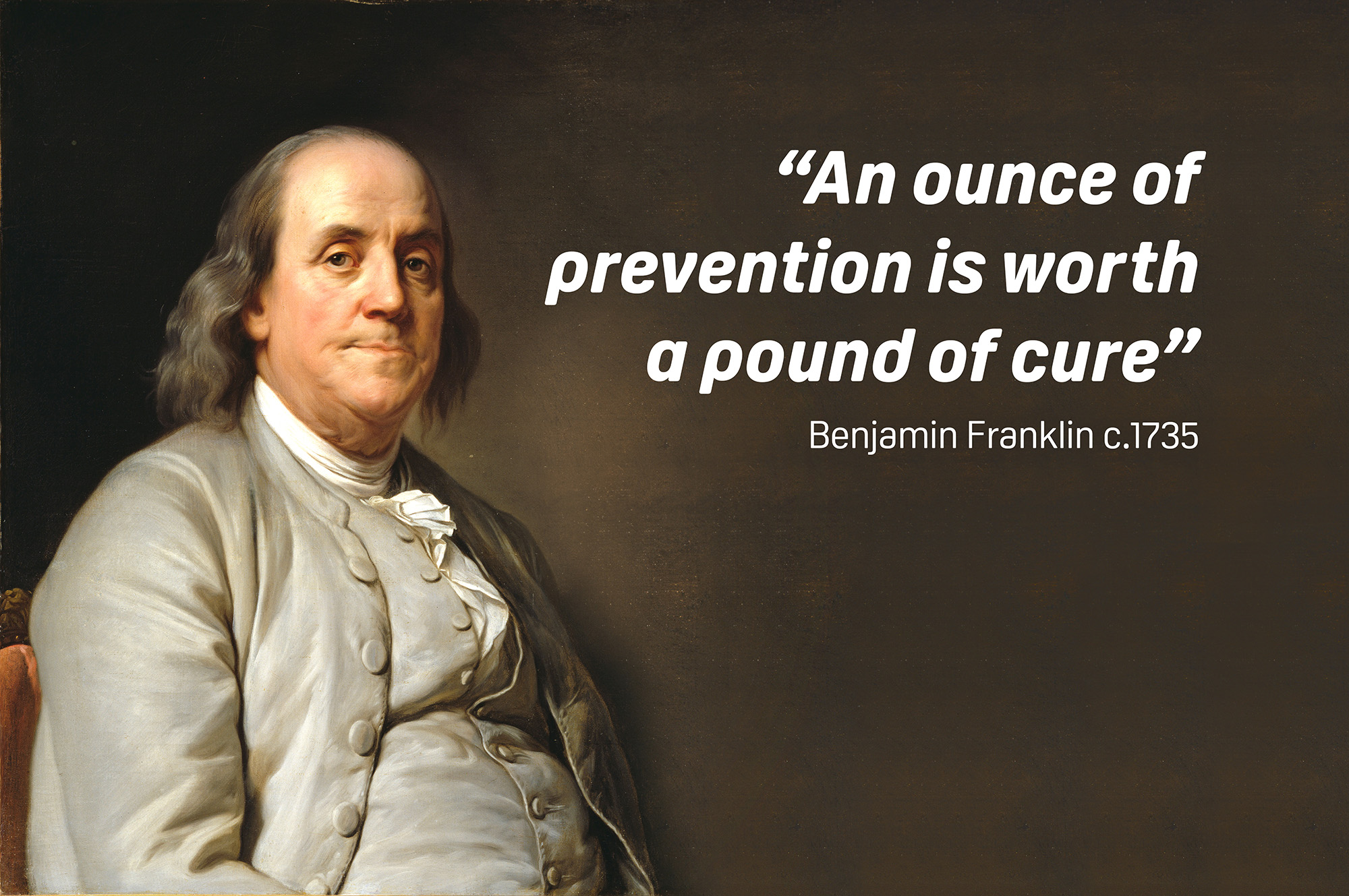
True change doesn’t start at the top, it starts with us. Change will happen not due to facts but due to numbers. Not thousands but hundreds of thousands of us.

Change requires public awareness, engagement, and belief that better is possible. Whether demanding preventive care, integrative treatments, fairer funding, or long-term wellbeing over quick fixes, change starts from the ground up. Health systems reflect society’s values. If we want equitable, holistic, and sustainable systems, we must collectively insist on it. Change won’t come from the top, it needs the will of the many.

Real, lasting health system change requires critical mass public pressure, one of the most powerful forces shaping policy. Like most large institutions, health systems resist change due to entrenched interests and bureaucratic inertia. When patients, healthcare workers, and communities demand improvements, policymakers and governments cannot ignore them. Collective voices create momentum for reform.

We have a plan to Make NZ Healthy Again:

Mission:

New Zealand’s growing burden of preventable chronic disease demands a fundamental shift from reactive healthcare to a proactive, prevention-first culture, one that treats health as physical, mental, social and environmental wellbeing, and addresses root causes like poor diet, inactivity, chronic stress, social disconnection and environmental degradation through accessible health education, holistic integrative care and policies that support wellbeing at every level. Making New Zealand healthy again means prioritising people over profit, and when political courage meets grassroots mobilisation, the change becomes inevitable.

Objectives:

2026 – Raise $1 million to fund a national advertising campaign that brings public attention to the critical health issues facing New Zealanders.
2026 – Develop and present evidence-based policies and strategies to both the public and key political decision-makers, driving meaningful, lasting reform of the health system.
2026 – Shape the national election agenda discussions by elevating health as a defining issue through targeted awareness and public engagement campaigns.
2027 – Actively support the implementation of health reforms following the election, ensuring policies translate into real, on-the-ground change for New Zealanders.

Put Prevention into the Heart of Healthcare.

Mandatory informed consent in writing is essential for any medical intervention because it ensures that patients are fully aware of and understand the nature, risks, benefits, and alternatives of a proposed procedure or treatment. This process is a cornerstone of patient autonomy, allowing individuals to make informed decisions about their own healthcare based on accurate and complete information…

Mandatory informed consent

Stop the Gene Technology Act from being passed into law.

Key Concerns About the Gene Technology Bill. Weakening of Precautionary and Regulatory Safeguards. One of the biggest criticisms is that the Bill shifts away from New Zealand’s traditional precautionary approach to regulating genetically engineered organisms (GEs). Under current laws, many GE organisms must go through rigorous assessment before being released outside the lab…

Repeal the Gene Technology Act

Pause the Medical Product Bill and Restart Consultation.

Metabolic syndrome is a cluster of conditions including high blood pressure, elevated blood sugar, abnormal cholesterol or triglyceride levels, and excess abdominal fat that occur together and significantly increase the risk of chronic diseases like type 2 diabetes, heart disease, stroke and cancer. It’s largely driven by insulin resistance, where the body’s cells fail to respond properly to insulin, leading to higher blood glucose levels and disrupted energy metabolism…

Metabolic Syndrome a key driver to chronic disease

The Situation is Dire!

0
Prevalence of Chronic Diseases

Approximately 25% of New Zealanders live with multiple chronic conditions, and conditions like arthritis affect 17.8% of adults (746,000 people), diabetes affects about 6% (307,400 people), and ischaemic heart disease affects 4.3%. These conditions, including heart disease, cancer, and diabetes, contribute to 85% of the nation’s health loss (measured in disability-adjusted life years).

0%
Obesity Rates

The adult obesity rate in New Zealand stands at about 32.6%, with higher rates among Pacific (67.3%) and Māori (47.7%) adults. Obesity is associated with increased risks of heart disease, stroke, type 2 diabetes, and certain types of cancer.

0%
Metabolic Health

Research indicates that around 20% of New Zealand adults have metabolic syndrome (based on older studies across ethnic groups), meaning the majority have at least one indicator such as high blood pressure, elevated blood sugar, excess body fat around the waist, or abnormal cholesterol levels; high fasting plasma glucose and high blood pressure each contribute 5-8% to health loss.

0%
Healthcare Experience vs Outcomes

New Zealand spends about 9% of GDP on healthcare, yet it achieves strong health outcomes, including a life expectancy of around 82 years (ranking in the top 20 globally) and an infant mortality rate of 4 per 1,000 live births. This suggests efficiencies in the system with a focus on preventive care.

0
Diet Related Health Issues Leading to Death

According to a 2011 study, poor diet is a leading cause of mortality in New Zealand, contributing to about 11,000 deaths per year (around 40% of all deaths). Diets high in processed foods, sugars, and unhealthy fats are linked to increased rates of obesity, diabetes, and cardiovascular diseases.

0%
Mental Health Concerns

Approximately 1 in 5 young New Zealanders experience a mental disorder each year, with a 12-month prevalence of any mental disorder at 20.7%; anxiety and depressive disorders are leading contributors, with 13.0% of adults reporting high or very high psychological distress.