
Ending the Epidemic of Chronic Disease
Chronic disease is one of New Zealand’s most significant health, social, and economic challenges, affecting around one million people with conditions such as Type 2 diabetes, cardiovascular disease, cancer, respiratory illnesses, obesity, and mental health disorders.
These conditions account for most illness, disability, and premature deaths, reducing quality of life, independence, and workforce participation while placing emotional and financial strain on families and communities.
The impact extends beyond individuals, contributing to rising healthcare costs, increased hospital admissions, lost productivity, and reduced economic growth.
Many chronic diseases are linked to preventable risk factors, including poor nutrition, physical inactivity, tobacco use, harmful alcohol consumption, stress, and inadequate sleep. Investing in prevention, early intervention, and equitable access to healthcare offers a major opportunity to improve health outcomes, particularly for Māori, Pacific peoples, lower-income communities, and rural populations who experience higher disease burdens.
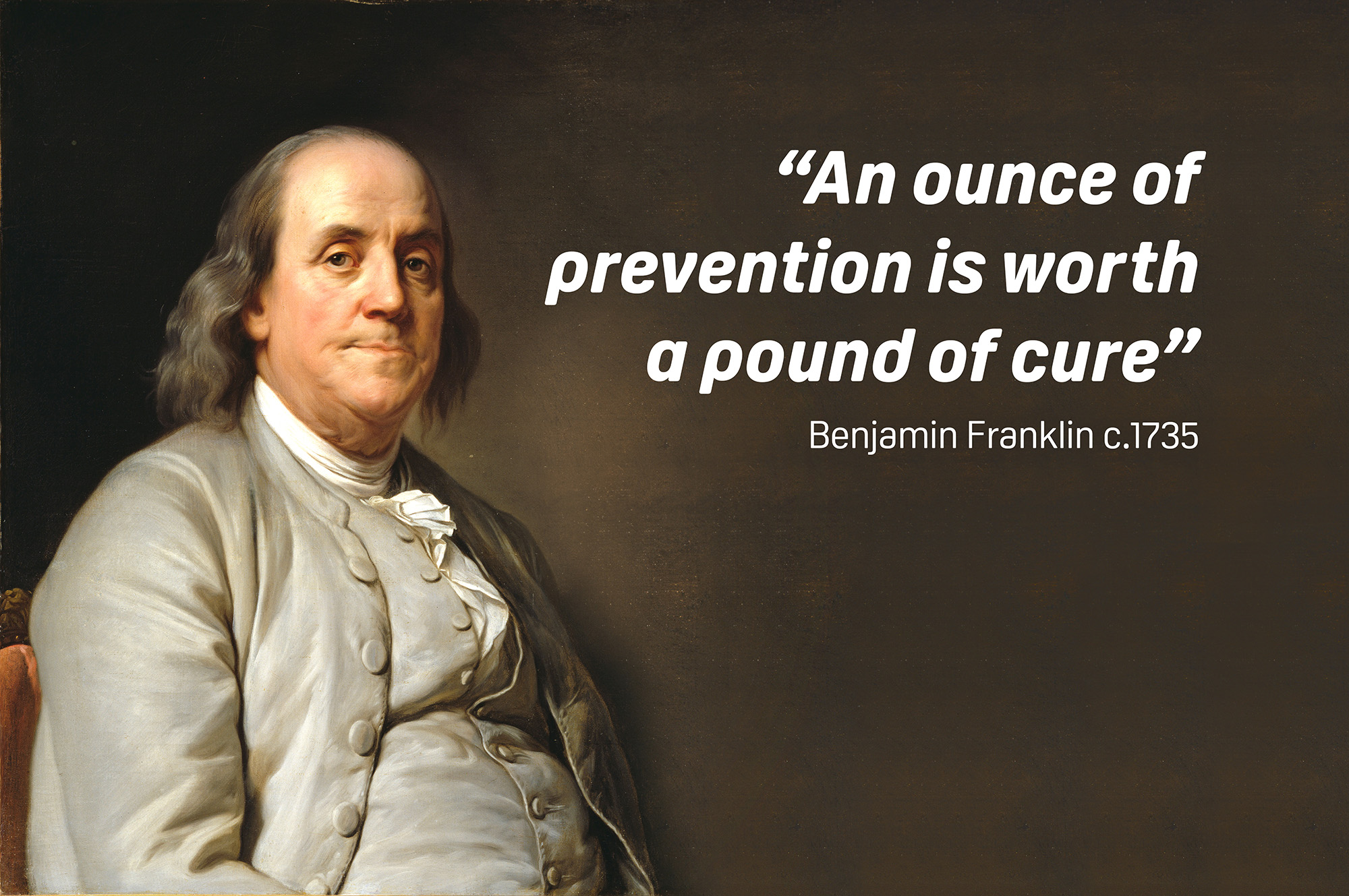
By shifting focus from treating illness to promoting prevention and wellbeing, New Zealand can achieve longer, healthier lives, lower healthcare costs, a more productive workforce, stronger communities, and greater long-term economic resilience.