
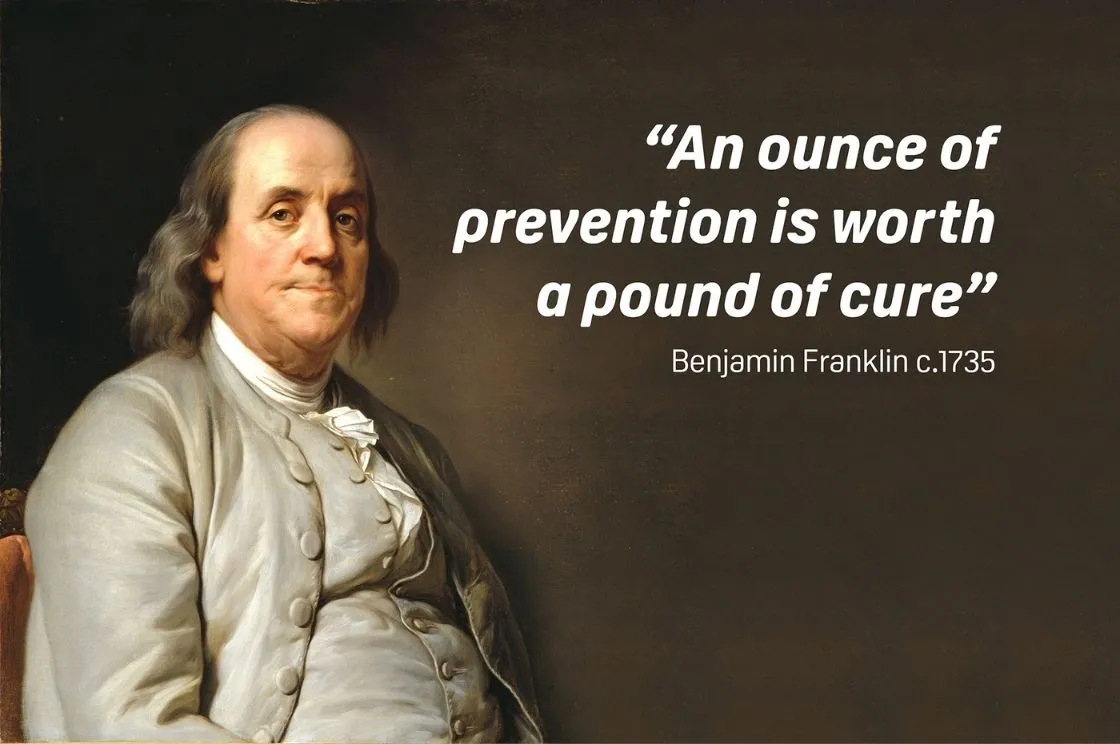
Put prevention Back in the Heart of Healthcare
Putting prevention back at the heart of healthcare means shifting our focus from reacting to illness to actively creating health. Today, too much of the system is designed to treat disease after it has already taken hold, often at great human and financial cost. By investing earlier in nutrition, physical activity, mental wellbeing, and community-based support, we can reduce the burden of chronic disease, improve quality of life, and help people stay healthier for longer. Prevention is not just a health strategy; it is an economic one, easing long-term pressure on hospitals and freeing up resources across the system.
We believe at least 10% of the health budget should be dedicated to prevention. This is a practical, achievable target that would signal a serious commitment to change. Allocating funding at this level would enable large-scale public health initiatives, early intervention programmes, and education campaigns that empower individuals and communities to take control of their health. Over time, this investment would pay for itself many times over, through reduced healthcare costs, increased productivity, and a stronger, more resilient population.