
Repeal the Gene Technology Act (if it is passed into law)
Key Concerns About the Gene Technology Bill
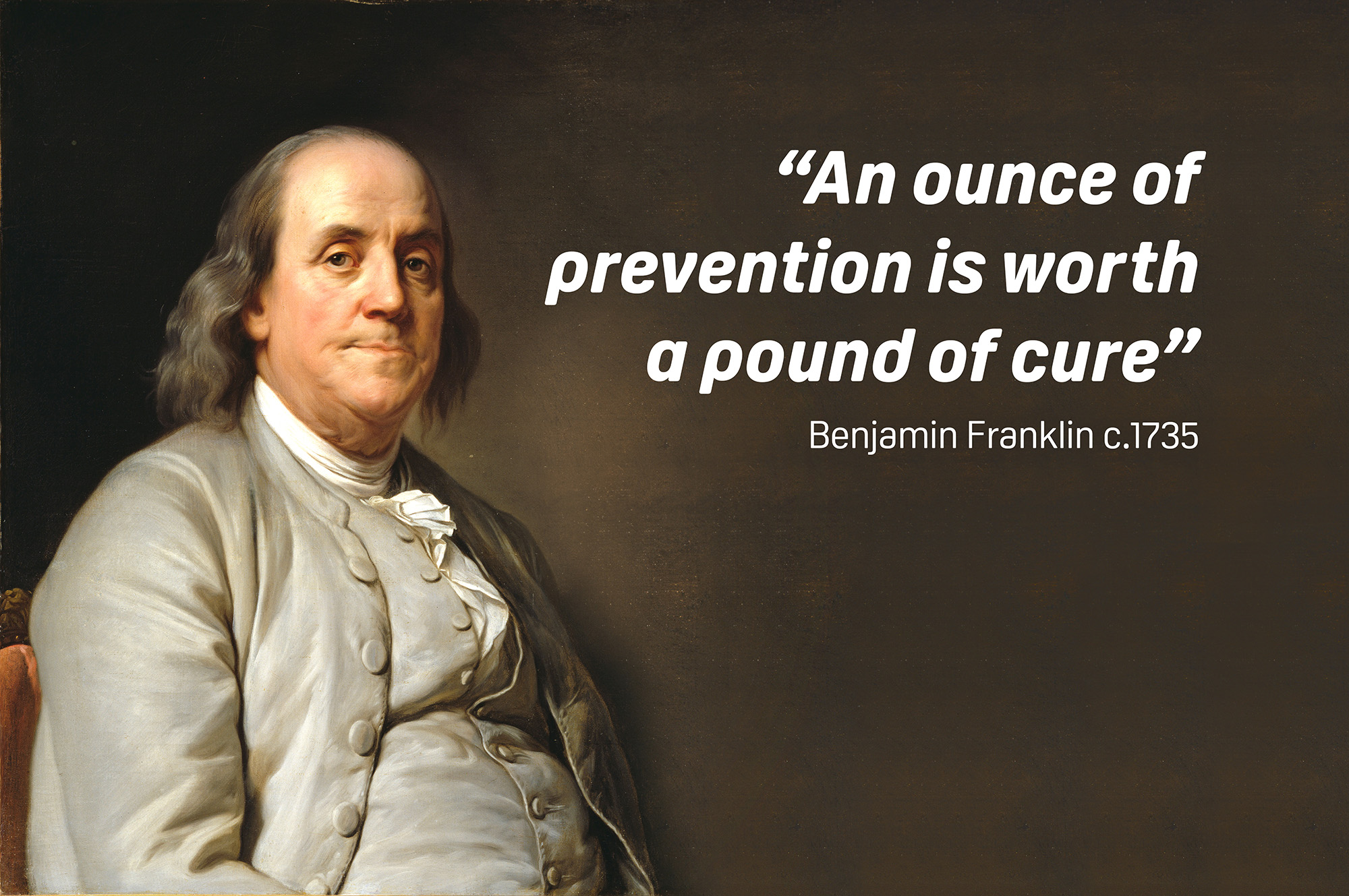
Weakening of Precautionary and Regulatory Safeguards
One of the biggest criticisms is that the Bill shifts away from New Zealand’s traditional precautionary approach to regulating genetically engineered organisms (GEs). Under current laws, many GE organisms must go through rigorous assessment before being released outside the lab. Under the new Bill, some gene technologies deemed “low risk” could be exempted, and decision-making power is concentrated in a single Regulator who may decide what needs oversight. This could open the door to unintended harms from ecological damage, gene flow (contamination) into wild populations, and irreversible changes, before we clearly understand the outcomes.
Risk to Environment, Biodiversity, and Long-Term Health
New Zealand has a unique environment and many endemic species, and loosening regulation could lead to adverse effects: cross-breeding of GE species with wild ones, loss of ecosystem resilience, or unintended health impacts (e.g. allergens or other unpredictable effects). Once GMOs or gene-edited organisms are released and spread, they cannot always be fully recalled. The Bill doesn’t require enough assessment of these longer-term or “unknown unknown” risks.
Threats to Export Markets and the “GE-Free” Brand
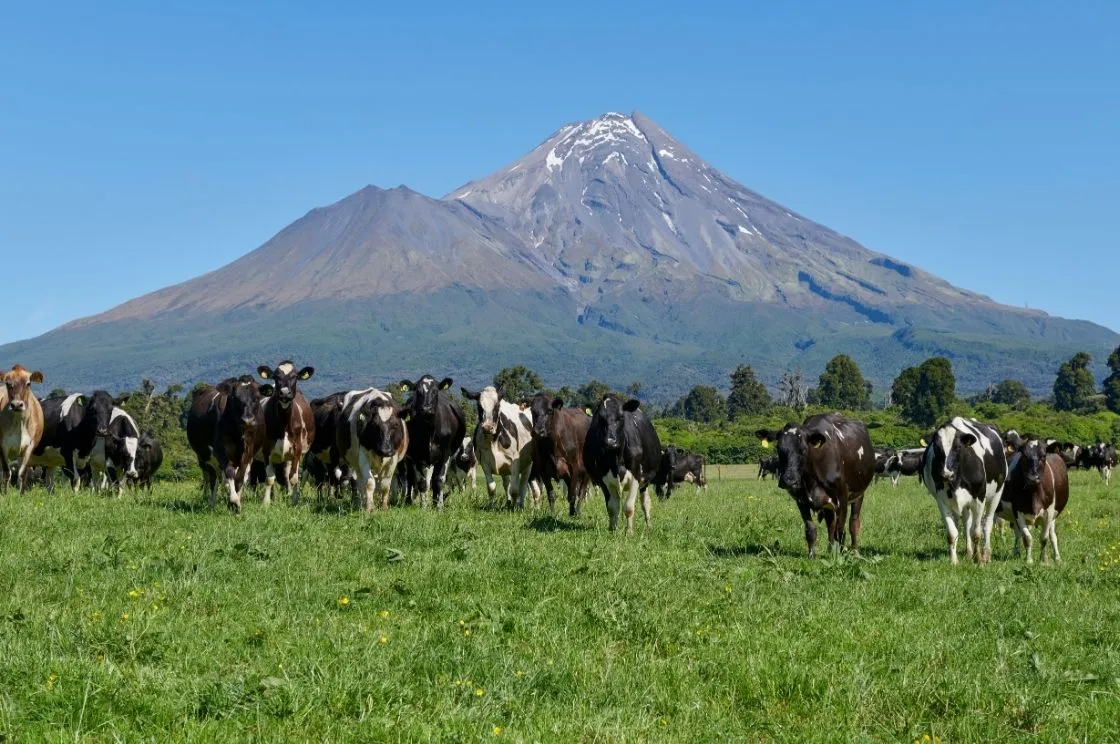
Many in the agricultural, horticultural and organic sectors argue that much of New Zealand’s export success is built on a reputation for “clean & green,” GE-free, or minimally modified produce. If gene technologies are widespread, there is risk of contamination (even accidental) that undermines organic certification, consumer trust, and trade access especially in markets with strict GMO/Gene Edit labeling or regulation. Exporters are rightly concerned that the Bill does not adequately safeguard against these trade and reputational risks.
Democratic and Ethical Concerns
The Bill gives limited power to local/regional councils (so communities lose ability to set local rules), and lacks strong ethical oversight on issues such as animal welfare. There is also concern that the Bill could reduce transparency, reduce liability (i.e. less ability to hold parties accountable if things go wrong), and reduce public involvement in decisions.
Economic Risk from Uncertainty and Irreversibility
Because some gene-edited organisms might permanently alter ecosystems (e.g. certain grasses dispersing widely, or soil organisms changing) once irreversible alteration has occurred, the economic cost might be very large. There is also uncertainty about whether the benefits promised (e.g. increased productivity, reduced emissions) will outweigh the risks, especially given markets may reject products, or if downstream effects emerge that were not foreseen.