How a medicine can be anything that promotes health
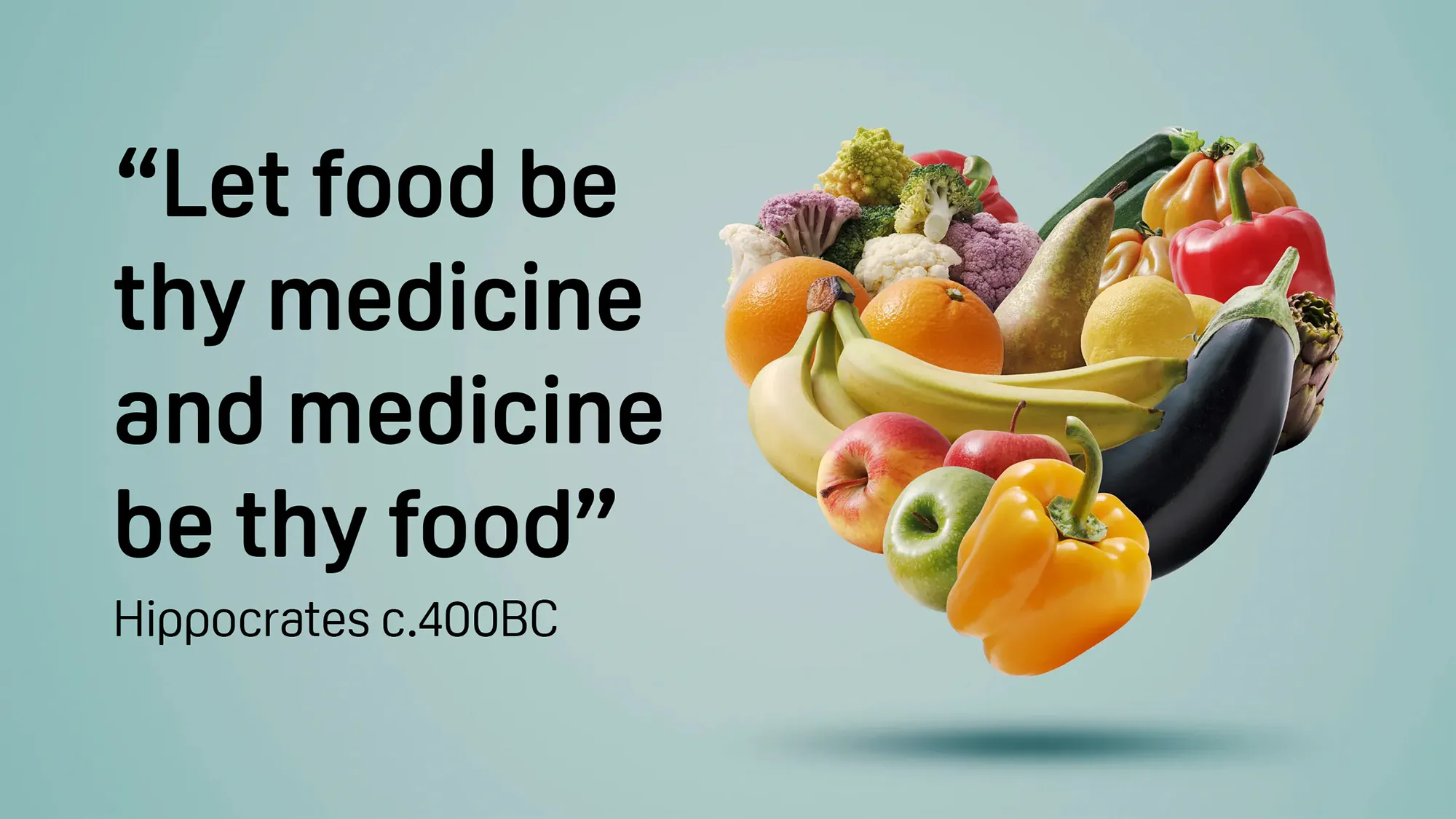
The term “medicine” can no longer be limited to use only in conjunction with pharmaceuticals; a medicine can be anything that promotes health, healing, and well-being.
While prescription drugs and over-the-counter treatments play a crucial role in managing illness, true medicine can also take the form of nutrition, movement, connection, rest, nature, or practices that support mental and emotional balance. A walk in the forest, a meaningful conversation, a nourishing meal, or even a moment of stillness can be just as therapeutic as a pill, depending on the individual and their needs. By broadening our understanding of what medicine is, we open the door to more holistic, personalized, and sustainable approaches to health.
The pharmaceutical industry has effectively captured the term medicine through a combination of regulatory influence, cultural conditioning, and economic power. Over the past century, “medicine” has increasingly come to be associated almost exclusively with pharmaceutical drugs largely due to the way modern healthcare systems have evolved in close alignment with the pharmaceutical model of care. This shift began in the early 20th century, when regulatory frameworks like those established by the FDA in the U.S. were formalized to ensure the safety and efficacy of medical products. While these frameworks were essential for public safety, they also created a system in which only substances that could pass through rigorous, expensive clinical trials (typically funded by pharmaceutical companies) were legally allowed to be called “medicine.”
At the same time, medical education became heavily influenced by pharmaceutical interests, with drug-based interventions positioned as the gold standard for treatment. Natural remedies, dietary interventions, lifestyle practices, and traditional healing systems were gradually pushed to the margins, often labeled as “alternative” or “complementary” rather than being recognized as legitimate forms of medicine in their own right. Marketing also played a powerful role—mass media, advertising, and public messaging consistently reinforced the idea that pills and procedures are the primary tools of medicine. As a result, the public has been conditioned to equate “medicine” with pharmaceutical products, rather than with any substance or practice that promotes healing. This narrow definition serves the interests of a profit-driven industry, but it limits our broader understanding of health and healing.