Limiting the use of toxic sprays on all food products
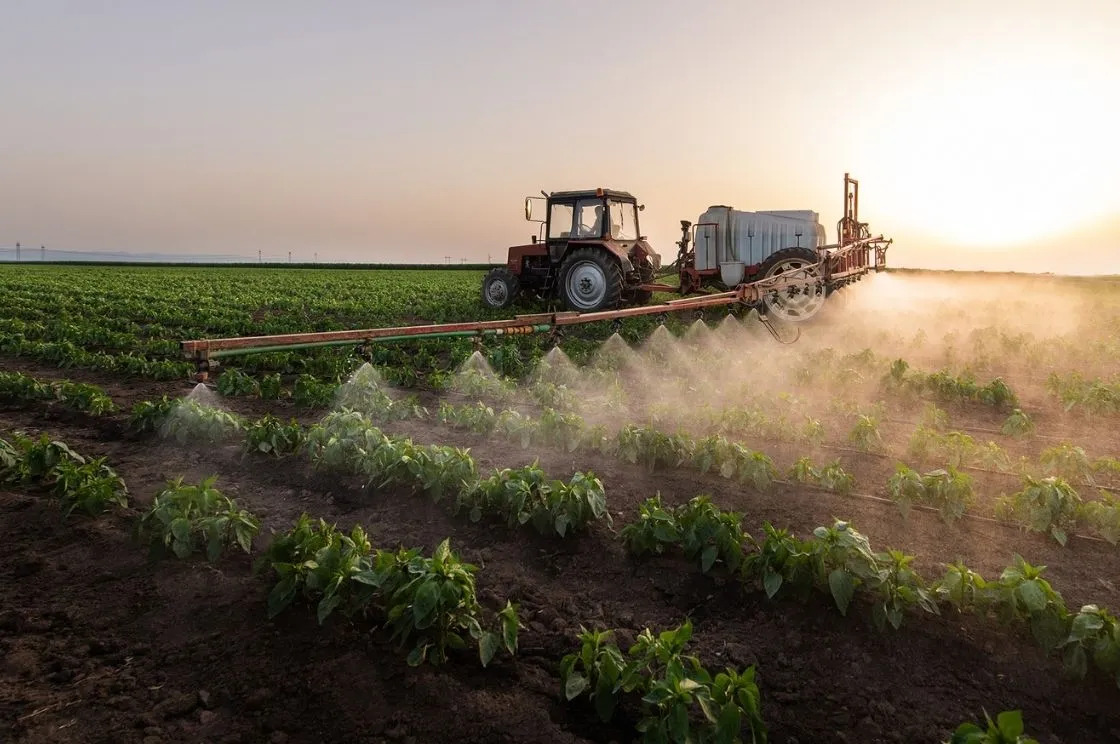
Limiting the use of toxic sprays on horticultural and agricultural produce is essential for protecting human health, preserving environmental integrity, and ensuring long-term food security.
Many of these sprays contain harmful chemicals such as synthetic pesticides, herbicides, and fungicides—that can remain as residues on fruits, vegetables, and grains even after harvesting and washing.
Prolonged exposure to these substances, even in small amounts, has been linked to a range of health issues, including hormonal disruption, neurological disorders, and certain cancers. By reducing the use of toxic sprays, we can minimise these risks and promote healthier food systems for consumers and farm workers alike.
Beyond human health, excessive use of chemical sprays has significant negative impacts on the environment. These toxins can leach into soil and waterways, disrupting ecosystems, killing beneficial insects like bees and butterflies, and contaminating aquatic life. Soil health also suffers, as chemical inputs degrade microbial communities that are vital for nutrient cycling and plant growth.
In the long run, this weakens the resilience of crops and increases reliance on chemical interventions a cycle that is both costly and unsustainable. Shifting toward integrated pest management, organic practices, and other sustainable approaches offers a more balanced and regenerative way forward for both agriculture and the environment.