How healthy soil leads to healthy people
Healthy soil is the foundation of a thriving agricultural system, directly influencing the health of plants and, ultimately, the well-being of people.
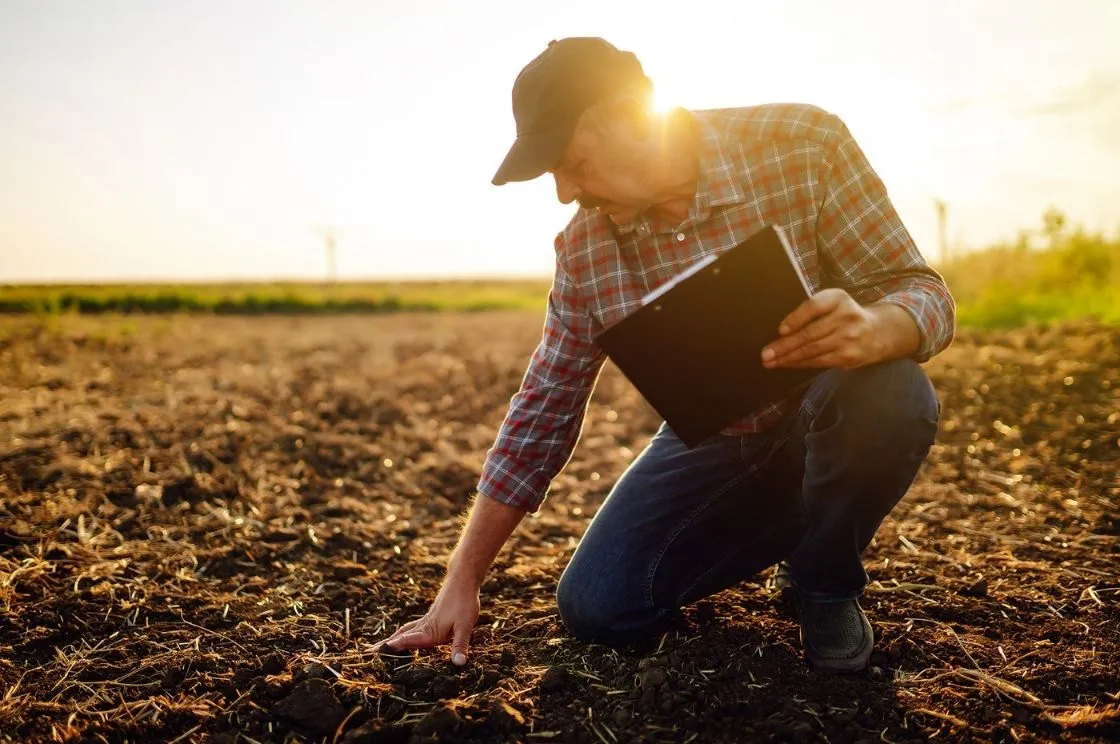
Soils rich in organic matter and teeming with beneficial microorganisms provide essential nutrients that plants need to grow strong and resilient. These living soils enhance nutrient uptake, improve water retention, and help plants develop natural resistance to pests and diseases.
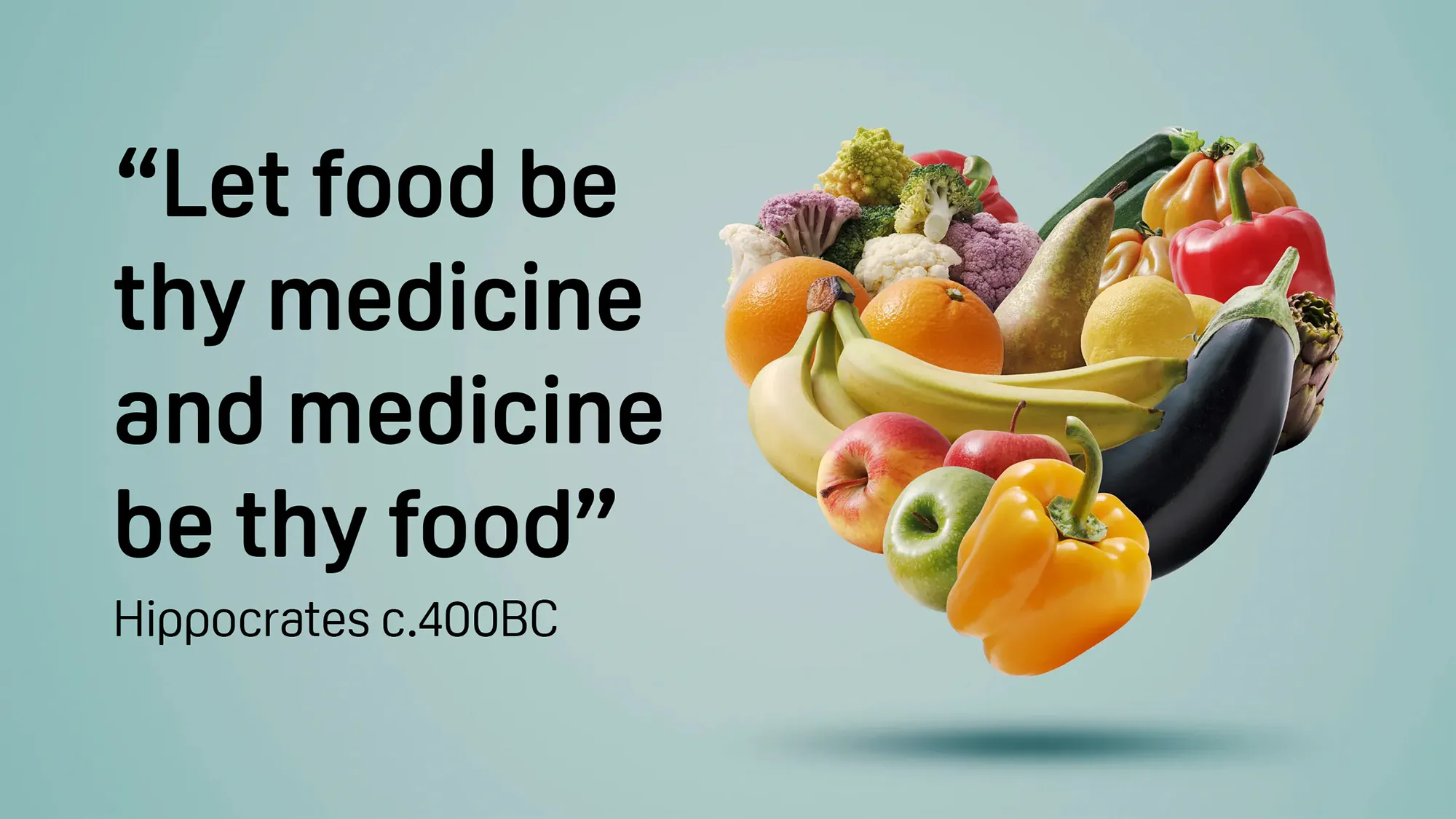
When plants are grown in such balanced conditions, they produce more nutritious food—higher in vitamins, minerals, and beneficial phytochemicals that support human health.
Conversely, degraded or chemically overloaded soils often lack the biodiversity and nutrients necessary to sustain truly healthy crops. Plants grown in these conditions may appear outwardly fine but can be nutritionally deficient, affecting the quality of food on our plates.
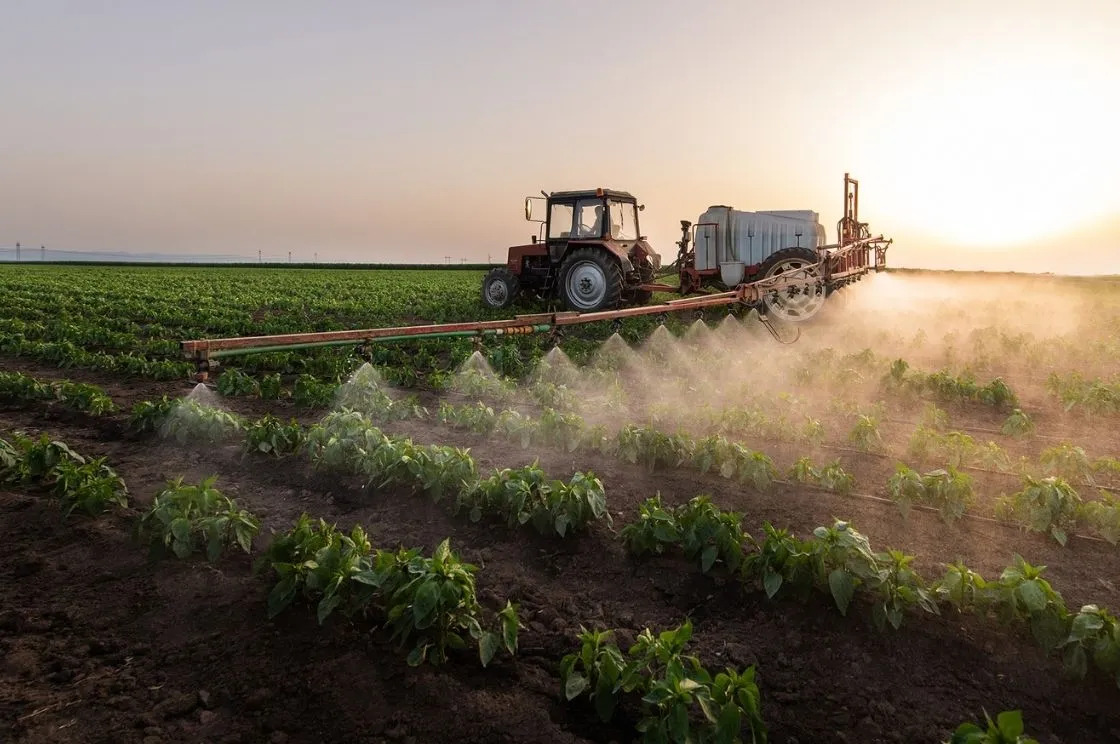
Moreover, when the soil’s natural functions are compromised, farmers often rely more heavily on synthetic fertilisers and pesticides, which can introduce harmful residues into the food chain. By investing in soil health through composting, crop rotation, reduced tillage, and organic amendments, we not only improve the vitality of plants but also foster healthier communities and a more resilient food system. Healthy soil truly is the starting point for healthy people.