
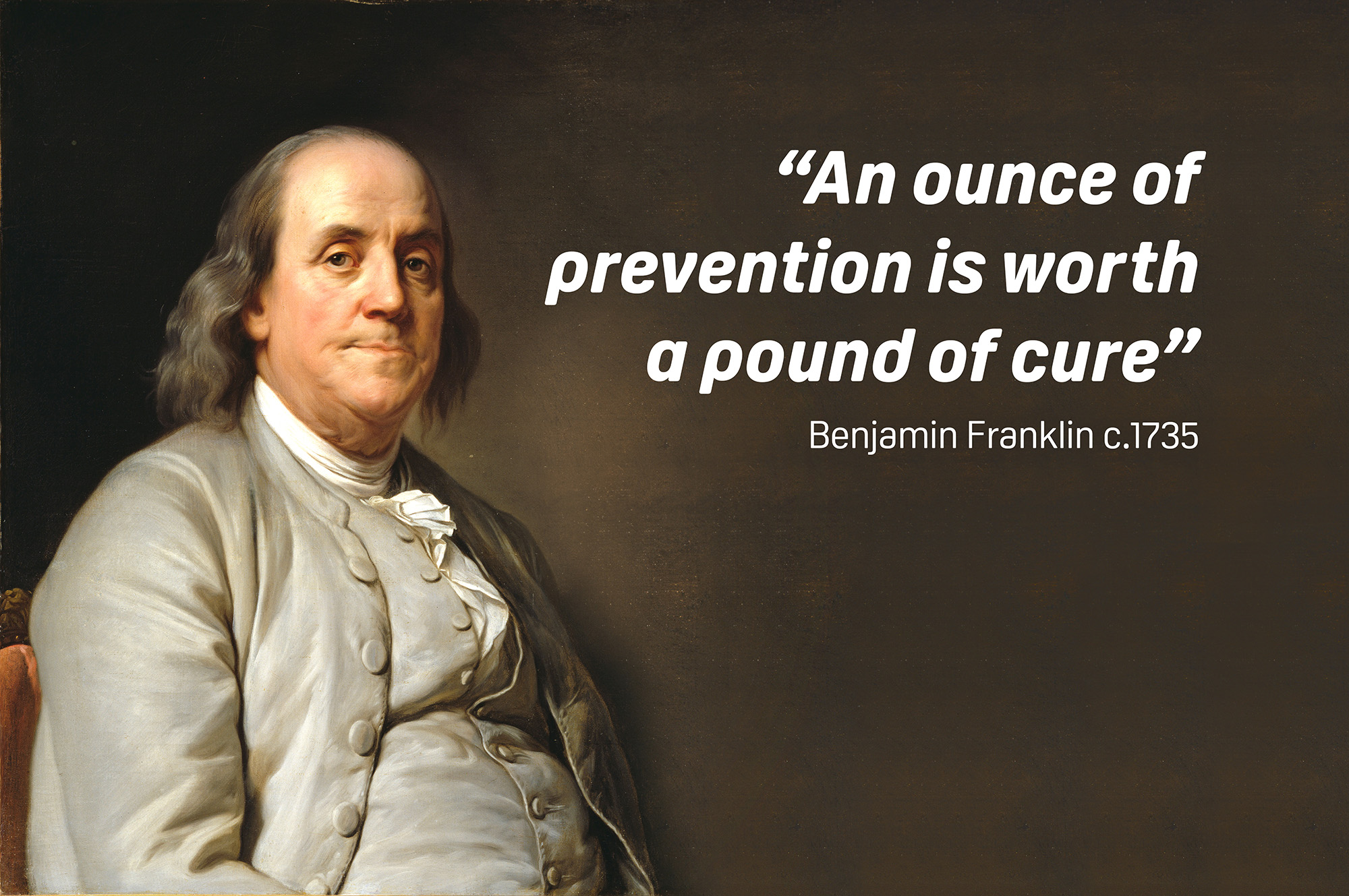
Put Prevention Back at the Heart of Healthcare
Prevention plays a fundamental role in protecting health because it addresses the root causes of illness before they have a chance to develop.
By focusing on healthy habits such as proper nutrition, regular physical activity, adequate sleep, and stress management, individuals can strengthen their immune systems and improve their overall well-being. This proactive approach reduces the risk of developing chronic diseases such as diabetes, heart disease, and certain types of cancer, which often arise from long-term lifestyle choices. Rather than waiting for symptoms to appear and then treating them, prevention seeks to avoid the illness altogether.
Moreover, prevention reduces the strain on healthcare systems by decreasing the number of people who need medical treatment. When individuals take steps to minimize their exposure to harmful substances, maintain hygiene, and attend regular health check-ups, it becomes easier to catch potential issues early or avoid them entirely. This not only enhances quality of life but also saves time, resources, and emotional stress associated with managing serious conditions. Ultimately, prevention empowers people to take control of their health and creates a more sustainable and effective approach to healthcare.